Winter already asks more from us, and right now many people are carrying an added layer of stress that is hard to ignore. Ongoing political turmoil, threats to rights, and a general sense of instability can make it feel like the ground is constantly shifting. That level of uncertainty affects how safe, focused, and regulated the body feels, even when daily routines look the same on the
surface.
When the world feels tense and unpredictable, there is often pressure to keep pushing, producing, and staying on top of everything. That pressure clashes with the natural energy of this season. Winter is not built for constant output. Bodies and nervous systems tend to benefit from slower rhythms, more recovery, and fewer demands. Trying to override that usually leads to more exhaustion, not more resilience.
This is where supportive structure can help. Not rigid rules, but simple consistency. Waking up and going to bed around the same time each day helps regulate your nervous system. Eating meals at roughly the same times gives your body a sense of predictability and stability. These routines may sound basic, but they play a real role in supporting mood, energy, and stress response.
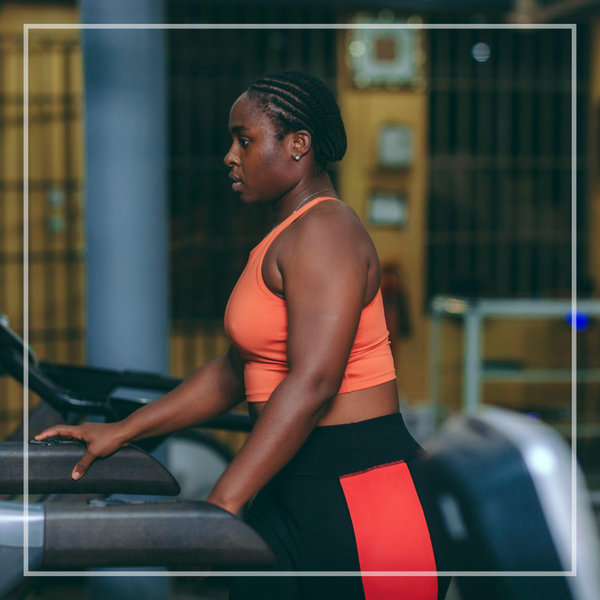
Movement fits here too. Regular,
moderate movement helps process stress and supports mental clarity without draining what little energy you have. This is not the season to squeeze everything out of yourself. It is a season to do enough to feel supported.
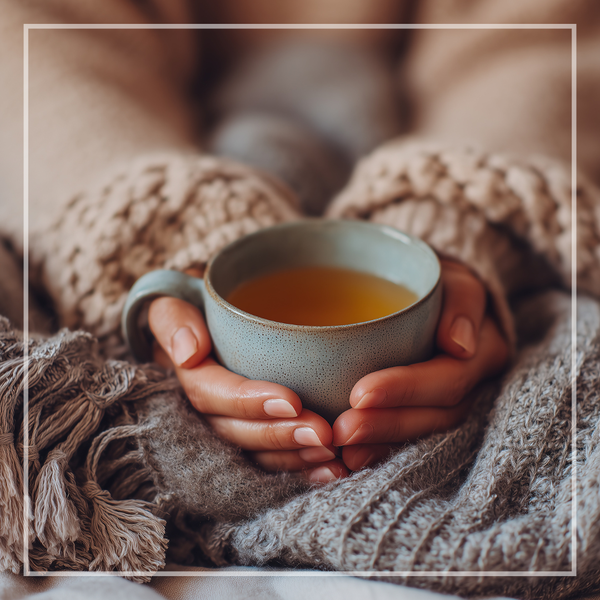
I am not a medical professional, just a normal woman navigating the same season and stressors, but I see this pattern every year. When life feels heavy, the basics matter more, not less. Consistent sleep, regular meals,
movement, and moments of decompression all help your system regulate and recover.
If this season feels harder than usual, that does not mean you are failing or falling behind. It usually means your body and nervous system are responding to a lot at once. Choosing supportive habits, even imperfectly, is often enough to get through winter feeling more grounded and more capable.